Backup Standby Power & Winter Storm Readiness in Reno, Nevada
In Northern Nevada communities like Reno, located adjacent to the Sierra Nevada mountain range, severe winter weather, high wind events, and heavy snowfall can cause extended electrical grid outages. When transmission lines or neighborhood substations fail, homes without backup power can face freezing indoor temperatures, compromised well pumps, spoiled refrigeration, and loss of medical equipment.
Permanent standby generator systems provide seamless, automatic emergency power when utility service is interrupted. Fueled by natural gas or dedicated liquid propane tanks, an automatic standby generator detects utility loss within seconds, starts automatically, transfers critical loads, and powers your property until utility electricity is restored.
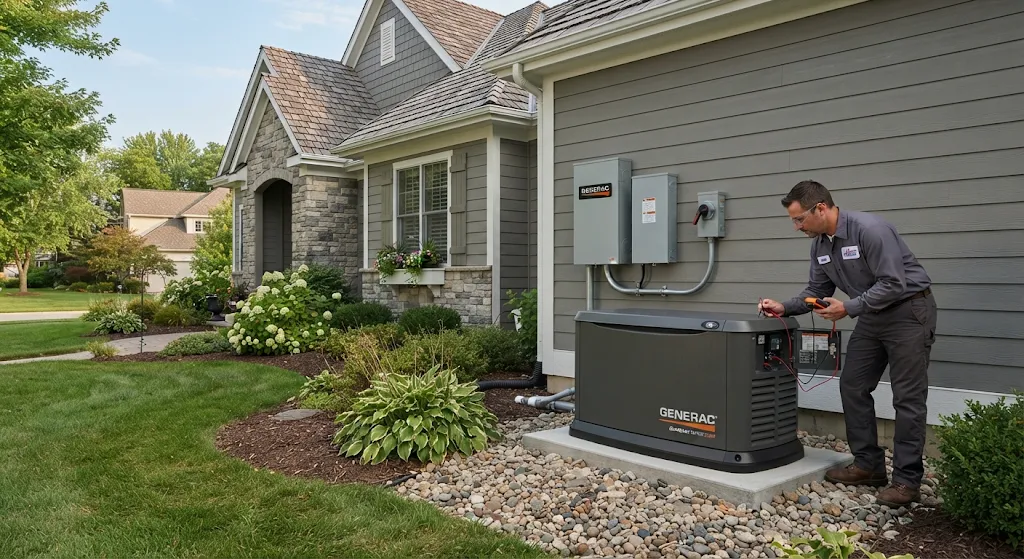
Standby generators provide automated backup power during high-desert winter grid disruptions in Reno.
Generator Sizing, Automatic Transfer Switches & Fuel Integration
Proper generator installation requires precision engineering. An undersized generator will stall when heavy motor loads (like air conditioners or heat pumps) cycle on, while an oversized unit wastes fuel and produces excessive noise. Independent electrical contractors perform starting kilovolt-ampere (skVA) and running wattage load calculations to select the ideal generator capacity (typically 14 kW to 26 kW for residential homes).
Essential components of an approved standby generator installation in Reno include:
- Automatic Transfer Switch (ATS): A code-mandated switch that electrically isolates the generator from the utility grid, preventing lethal "backfeeding" of power onto utility lines where utility linemen may be working.
- Fuel Supply Piping & Pressure Verification: Coordinating with licensed plumbing contractors to size natural gas piping or propane supply lines for maximum generator BTU demands under full load.
- Concrete Equipment Pad & Clearances: Pouring or placing a certified pre-cast pad with mandatory setbacks from property lines, operable windows, and combustible exterior walls compliant with NFPA 37.
- Load Shedding Modules: Smart power management modules that temporarily lock out high-draw appliances (such as electric ranges or second AC units) until primary motor loads stabilize.
The Automatic Transfer Sequence: Cold-Weather Power Continuity
When utility power fails in Reno, the automatic transfer switch monitors line voltage drop. If utility voltage drops below 80% of normal for more than three seconds, the ATS signals the generator engine to crank. Once the generator reaches rated 60 Hz frequency and nominal voltage, the transfer mechanism moves internal contactors to the emergency position, safely delivering electricity to your critical household circuits in under twenty seconds.
When municipal power returns and remains stable for a preset interval, the ATS automatically switches circuits back to the grid and runs the generator engine through an unloaded cool-down cycle before shutting down.
Looking for Qualified Generator Installation in Reno?
Connect with participating independent licensed electrical contractors through the WATT911 Nevada referral desk. Contractors evaluate your site requirements, perform load calculations, and provide written estimates.
Permitting, Setbacks & Contractor Independence in Reno
Standby generator installations are complex, multi-trade projects requiring electrical, structural, and mechanical/plumbing permits from the local building safety department. Fuel supply lines, exhaust clearance, and noise ordinances must all be strictly observed to pass municipal inspection.
WATT911 is a transparent lead-generation referral network connecting property owners with independent local electrical contractors. We do not sell generators, employ electricians, or hold a Nevada contractor license. Independent contractors evaluate site clearances, pull municipal permits, coordinate with utility providers, and install transfer equipment under their own NSCB C-2 license.
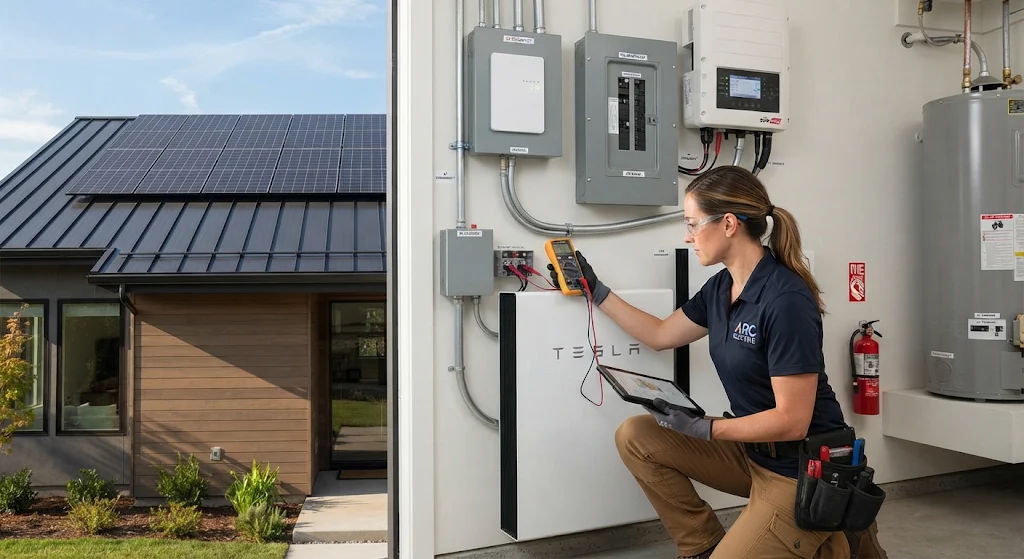
Certified automatic transfer switches isolate backup power and prevent hazardous utility backfeeding in Reno.
Frequently Asked Questions
A portable generator runs on gasoline, requires manual setup, extension cords or an interlock switch, and must be manually refueled. A standby generator is permanently installed, connects to your natural gas or propane line, and starts automatically via an ATS within seconds of an outage.
An ATS safely switches your home's power from the utility grid to the generator. It is legally mandated by the National Electrical Code to prevent generator backfeeding, which can electrocute utility line workers restoring power.
Most homes require a 14 kW to 24 kW standby unit depending on HVAC tonnage, well pump requirements, and whether load-shedding modules are used to manage heavy electrical appliances.
Standby generator installations require building, electrical, and mechanical/plumbing permits to inspect the concrete pad, transfer switch, gas pipe sizing, and setback clearances.
Standby generators perform self-test exercise cycles weekly and generally require oil and filter servicing every 12 to 24 months or after every 100 to 200 hours of continuous operation.